Short answer: BRRRR stands for Buy, Rehab, Rent, Refinance, Repeat. You buy a property that needs work, fix it up to raise its value, rent it out, then refinance based on the new value to pull some or all of your cash back out, so you can do it again. It can build a portfolio fast, but it depends on accurate repair budgets, a solid appraisal and loan terms that still let the property cash flow.
BRRRR is one of the most talked-about strategies in real estate investing, and for good reason. Done well, it lets you recycle the same pool of cash into property after property. Done poorly, it leaves your money stuck in a house that barely breaks even. At JW Martin Real Estate, we help Upstate investors with every stage, from finding the right fixer-upper to leasing and managing the finished rental. Here is how the method works, step by step.
The five steps
1. Buy
Find a property below its potential value, usually one that needs work. Many BRRRR investors buy with cash, hard money or private money, because many conventional loans will not fund a property in rough shape.
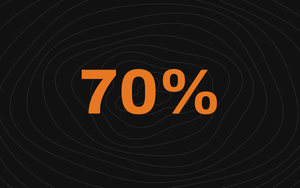
Key number: your all-in cost (price + rehab + closing + holding costs) should be well below the after-repair value (ARV). Many investors aim for 75% of ARV or less. See our guide to the 70% rule.
2. Rehab
Make repairs that add value and attract good tenants: kitchens, baths, flooring, paint, systems and curb appeal. Get written bids, add a contingency (often 10% to 20%), and manage the schedule closely. Every extra month costs money.
Rental rehabs are different from flip rehabs. Choose durable finishes, such as luxury vinyl plank instead of carpet, and fix the systems that cause expensive tenant calls later.
3. Rent
Place a qualified tenant at market rent. Lenders will want to see a lease or market rent analysis when you refinance. Screening matters: a bad tenant can wipe out a year of cash flow.
4. Refinance
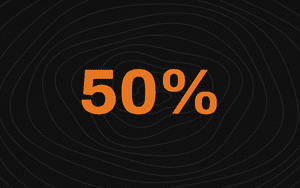
Refinance with a long-term loan based on the new appraised value. Lenders lend a percentage of value, called loan-to-value or LTV, often around 70% to 80% for investment properties. Many lenders also have a "seasoning" period before they will use the new value. Ask before you buy.
5. Repeat
Use the cash you pulled out toward the next deal, and keep the rental.
A worked example (hypothetical)
- Purchase (cash): $150,000
- Rehab: $40,000
- Closing and holding costs: $8,000
- Total cash in: $198,000
- After-repair appraisal: $260,000
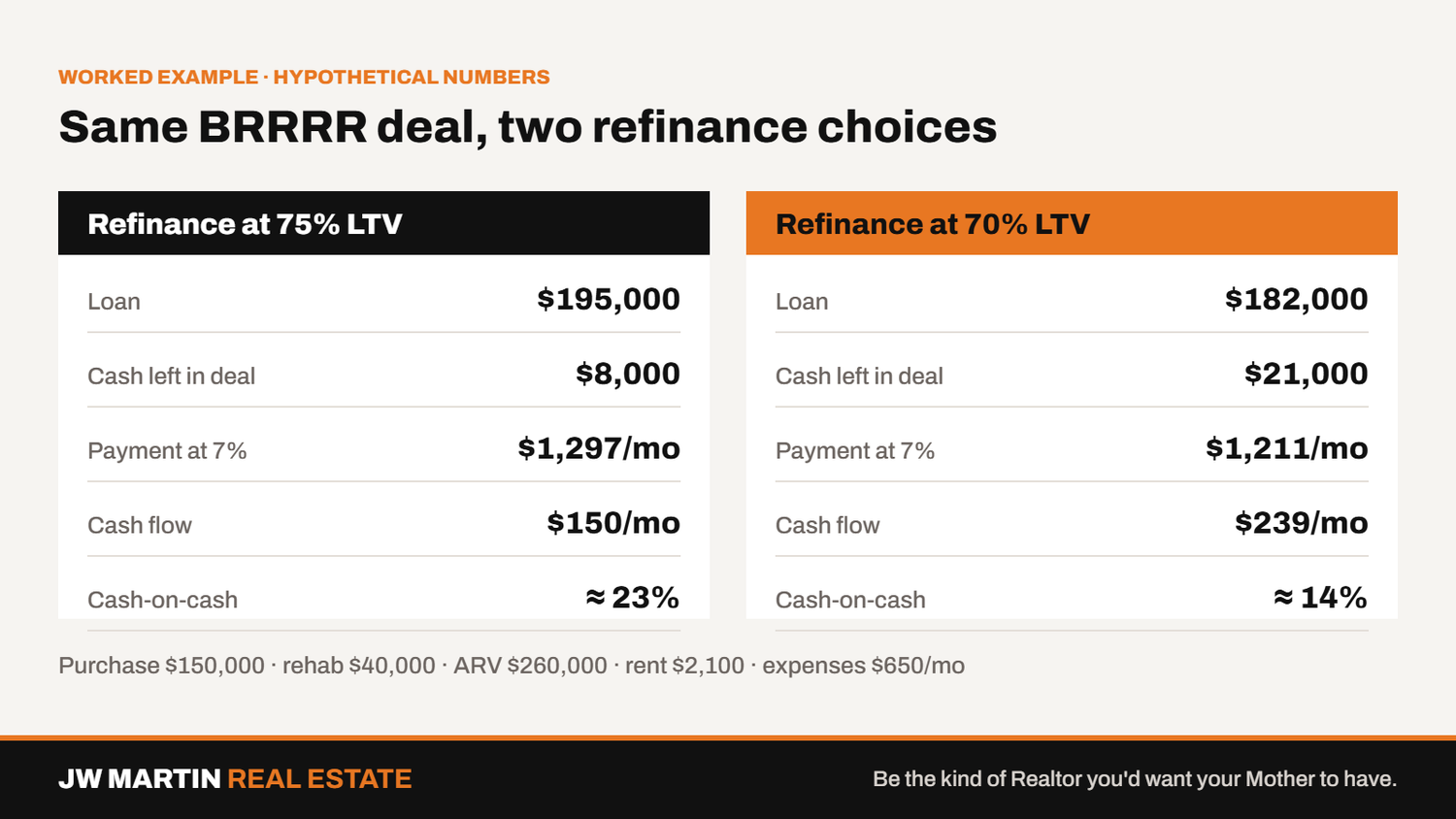
- Refinance at 75% LTV: $195,000 loan
- Refinance costs: $5,000
- Cash back: about $190,000
- Cash left in the deal: about $8,000
Now the rental side. At an example 7% rate on a 30-year loan, the $195,000 payment is about $1,297 a month for principal and interest. If rent is $2,100 and taxes, insurance, management, maintenance, vacancy and reserves total $650 a month, cash flow is about $150 a month.
That is about a 23% cash-on-cash return on the $8,000 left in, but only $150 a month of cushion. One big repair or a few vacant months could wipe out a year of cash flow. This is the BRRRR tradeoff: pulling out more cash means a bigger loan and thinner cash flow.
Hypothetical numbers for illustration.
The same deal at 70% LTV
What if you refinance more conservatively?
- 70% of $260,000: $182,000 loan
- Cash back after $5,000 in costs: about $177,000
- Cash left in the deal: about $21,000
- Payment at 7%: about $1,211 a month
- Cash flow: about $239 a month
You leave $13,000 more in the deal, but your monthly cushion goes up by almost $90 and your cash-on-cash return is still about 14%. Many experienced investors choose this middle path when rates are higher.
Run your own deal in our free BRRRR calculator.
Financing options for each stage
- Purchase and rehab: cash, hard money, private lenders, or a home equity line of credit on another property.
- Refinance: a conventional investment loan, or a DSCR loan, which qualifies mainly on the property's rent instead of your personal income.
- Ask early: LTV limits, seasoning periods, minimum credit scores and reserve requirements vary from lender to lender. Talk to a lender before you write an offer, not after the rehab.
What can go wrong
- Low appraisal. If the property appraises for less, you get less cash back and more stays stuck in the deal.
- Rehab overruns. Surprises behind walls are common in older homes.
- Higher rates. Higher refinance rates mean bigger payments and less cash flow.
- Seasoning rules. You may wait months before refinancing on the new value.
- Rent comes in lower than you planned.
- Holding costs. Hard-money interest and points add up every month.
Is BRRRR still profitable with higher interest rates?
It can be, but the margins are tighter. Many investors now plan to leave more cash in each deal, or refinance at a lower LTV so the property still cash flows. A "perfect BRRRR" with all your cash back and strong cash flow is harder to find, so be skeptical of examples that promise it.
Tips for BRRRR in the Upstate
- Talk to a local lender about LTV, seasoning and rental income rules before you buy.
- Get comparable sales that support your ARV, not just one high sale.
- Budget for South Carolina's higher property tax on rentals, which are assessed at 6% instead of the 4% primary-residence rate.
- Check HOA rules. Some Upstate communities limit rentals.
- Line up management early. JW Martin Property Management can lease and manage the finished rental.
Frequently asked questions
Can I BRRRR with no money? Not usually. You need cash or financing for the purchase and rehab until the refinance, and lenders rarely fund 100%.
What is a good ARV-to-cost ratio for BRRRR? Many investors want their all-in cost at or below about 75% of ARV, so a 75% refinance can return most of their cash. Lower is safer.
How long does a BRRRR take? Often 4 to 12 months from purchase to refinance, depending on the rehab and the lender's seasoning rules.
Why Upstate investors call JW Martin Real Estate for BRRRR deals
JW Martin Real Estate is a locally owned, independent brokerage, not a franchise. Our team lives in the Upstate, so we know which neighborhoods support strong ARVs and steady rents. Because we also run JW Martin Property Management, we see real rent and repair numbers every month, not just listing data.
Every decision our team makes has to pass the Mom Test: Is this a decision my Mother would be proud of? For a BRRRR investor, that means honest ARV comps, honest rent numbers, and a straight answer when a deal is too thin.
The bottom line
BRRRR is a powerful way to grow a rental portfolio, but it rewards careful math and punishes optimism. Know your ARV, rehab budget, lender terms and post-refinance cash flow before you buy.
Talk with an Upstate investment specialist
Planning a BRRRR? We can help you find properties, check comparable sales for your ARV, and connect you with local lenders and contractors. Visit our Investor Resource Center, search properties, or call JW Martin Real Estate at (864) 722-5558. As we like to say, "Be the kind of Realtor you'd want your Mother to have."
This article is general education, not financial, tax or legal advice. Examples are hypothetical and returns are not guaranteed.